How to Make Gluten Free Lemon and Coconut Cheesecake
Do you remember the joy of sharing a perfect dessert with your loved ones? There’s something magical about making a treat that brings everyone together. If you have dietary restrictions, finding a balance between health and indulgence can be tough.
If you enjoy refreshing citrus desserts, don’t miss our Gluten Free Crumble for another fruity favorite or our rich Gluten Free Brownies when you’re craving something chocolatey.
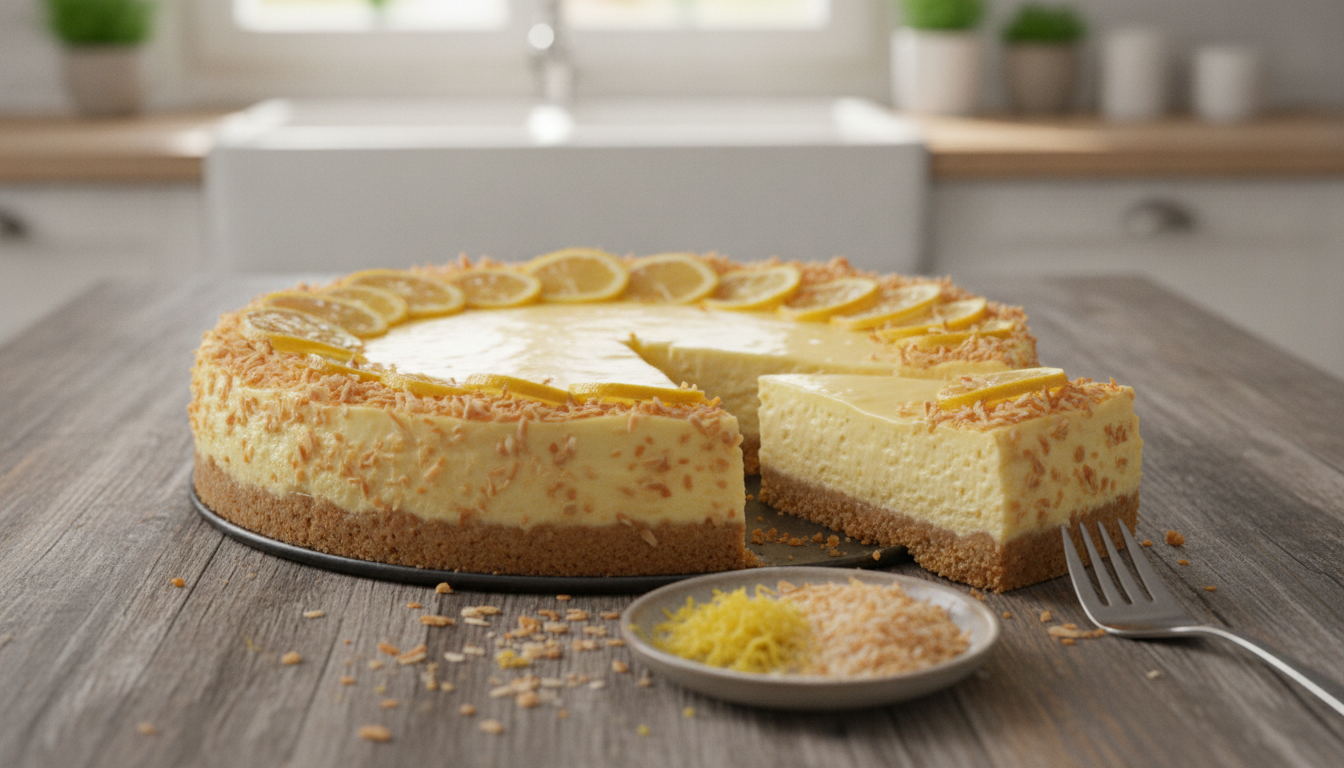
You can now master a gluten free lemon and coconut cheesecake that delights every guest. This guide helps you mix zesty citrus with tropical sweetness for a vibrant result. Whether you’re a beginner or a pro, this lemon gluten free cheesecake is a reliable way to impress your friends.
Follow these simple steps to ensure your kitchen produces a consistent, high-quality masterpiece every time. Let’s start your journey toward creating a refreshing dessert that everyone will love.
Key Takeaways
- Learn to balance bright citrus flavors with creamy tropical notes.
- Master the techniques for a perfect, smooth texture in your dessert.
- Discover how to adapt classic recipes for specific dietary needs.
- Gain confidence in the kitchen with easy-to-follow baking instructions.
- Create a professional-looking treat that impresses your guests.
Table of Contents
Understanding the Essentials of Gluten Free Lemon and Coconut Cheesecake
Getting the right ingredients is key to a great dessert. When you start gluten free baking, think of your kitchen as a lab. Each ingredient has a role to play. This lets you make a gluten free lemon and coconut cheesecake that’s just as good as any from a bakery.
If you’re baking for someone with celiac disease, preventing cross-contamination is just as important as choosing gluten-free ingredients. The Celiac Disease Foundation’s gluten-free resources provide practical guidance for maintaining a safe gluten-free kitchen.
Why Choose Gluten Free and Dairy Free Ingredients
When shopping for ingredients, choose products labeled “gluten-free” whenever possible. The FDA’s gluten-free food labeling requirements explain the standards manufacturers must meet before using this label, helping you choose ingredients with confidence.
Using top-quality ingredients is vital for a good dessert. Without wheat flour, you need other binders to hold it together. The right dairy-free options keep your gluten free coconut cheesecake creamy and stable.
“Baking is a delicate balance of chemistry and art, where the quality of your base ingredients dictates the final masterpiece.”
— Professional Pastry Chef
Selecting the Right Coconut Products for Texture and Flavor
The type of coconut you choose affects your dessert’s texture. Full-fat coconut cream adds richness, while desiccated coconut gives a nice chew. Always pick unsweetened options to control sweetness in your gluten free lemon and coconut cheesecake.
| Ingredient | Primary Function | Impact on Texture |
|---|---|---|
| Coconut Cream | Provides fat and creaminess | Smooth and velvety |
| Desiccated Coconut | Adds structure and flavor | Slightly textured |
| Lemon Juice | Cuts through heavy fats | Light and refreshing |
The Role of Lemon in Balancing Richness
Fresh lemon juice is key in your recipe. It balances the coconut’s richness, making the dessert light. This citrus touch makes your gluten free coconut cheesecake refreshing and balanced.
Adjusting lemon zest to juice ratio is important for flavor. This focus on detail is what makes gluten free baking successful. It ensures every bite is as tasty as it looks.
For another fruity dessert with tropical flavors, try our Gluten Free Pineapple Upside Down Cake.
Gathering Your Ingredients and Kitchen Equipment
Success in the kitchen starts with the right tools and ingredients. Make sure your workspace is ready for successful gluten free baking. This way, you can make a tasty gluten free coconut cheesecake without any trouble.
Essential Pantry Staples for Gluten Free Baking
For the perfect texture, stock up on gluten-free ingredients. Use high-quality almond flour or gluten-free cookie crumbs for the crust. Many of these ingredients are also used in our Gluten Free Pie Crust Recipe, making it another great recipe for mastering gluten-free baking basics.
Choosing the right flour blend can significantly improve texture and consistency. King Arthur Baking’s gluten-free flour guide explains how different gluten-free flours and starches work together in baking.
Organize your sweeteners and binding agents before starting. This makes your baking process smoother and stress-free.
Choosing the Best Dairy Free Cream Cheese Alternatives
Finding the right base is key for a top-notch gluten free dessert. You need reliable dairy-free cream cheese alternatives for the right tang and creaminess.
Choose brands that whip up smoothly. A good alternative will keep your cheesecake rich and velvety.
Must-Have Tools for a Perfect Cheesecake
Before you start, make sure you have the right tools. A food processor is essential for a fine crust.
You also need a springform pan for easy cheesecake removal. Always line the bottom with parchment paper to keep your gluten free baking project intact.
Preparing the Gluten Free Crust
Creating a great crust is key for healthy dessert recipes at home. A good base supports your creamy filling and adds a nice crunch. Your choice of ingredients, like nuts or cookies, shapes the taste of your gluten free dessert.
Selecting Gluten Free Cookies or Almond Flour
You can choose between almond flour or crushed gluten free cookies for your crust. Almond flour gives a buttery taste that goes well with coconut and lemon. Almond flour gives a buttery taste that goes well with coconut and lemon.
For a more traditional feel, gluten free graham crackers or digestive biscuits are great.
Binding the Crust Without Gluten
Without wheat, you need something to hold the crust together. Soaking pitted dates in boiling water until soft works well. Then, blend them with your dry ingredients for a sticky dough. Melted coconut oil also binds the crust well, making it firm when chilled.
Techniques for Pressing and Pre-baking the Base
Put your mixture in a springform pan and press it down. Use a glass to make the layer even. Freezing the base can help, but pre-baking it for ten minutes makes it even better. This step keeps your healthy dessert recipes with a crisp texture.
| Ingredient | Texture | Binding Agent |
|---|---|---|
| Almond Flour | Nutty and Dense | Coconut Oil |
| GF Cookies | Crispy and Sweet | Melted Butter/Oil |
| Raw Nuts | Crunchy and Rich | Soaked Dates |
Crafting the Creamy Lemon and Coconut Filling
The heart of your dessert is the creamy filling. Making a dairy free cheesecake means aiming for a smooth texture like the real thing. Quality ingredients are key to a top-notch result.
Mixing Dairy Free Cream Cheese and Coconut Cream
Start by softening your dairy free cream cheese. This step helps avoid lumps. Then, mix it with coconut cream in a big bowl.
Blend these on medium speed until smooth. Look for a silky, glossy look. If clumps remain, mix a bit longer.
Incorporating Fresh Lemon Zest and Juice
Fresh lemon zest and juice are vital. They add flavor and a tangy touch. This makes your healthy dessert recipes special.
- Always zest your lemons before juicing them to maintain control.
- Use a fine microplane to capture only the yellow zest, avoiding the bitter white pith.
- Whisk the juice in slowly to maintain the structural integrity of your filling.
Achieving the Perfect Consistency Without Eggs
Without eggs, you rely on coconut cream and natural thickeners. Coconut cream thickens when chilled. Adding arrowroot powder or cornstarch helps too.
Watch the ingredient ratio to avoid a runny filling. If it’s too thin, add a bit of arrowroot or cornstarch. These healthy dessert recipes need exact measurements for the best result.
Assembling and Baking Your Cheesecake
After preparing the base, it’s time to assemble and bake. This is when your dairy free cheesecake starts to come together. Take your time for a smooth finish that will wow your guests.
Layering the Filling Over the Crust
Pour the filling slowly over the cooled crust. Use a spatula to spread it evenly. Make sure it reaches the edges without messing up the base. Consistency is key for a uniform texture.
Temperature Control for Even Baking
Keep the oven at 150C for your dairy free lemon cheesecake. This low heat stops the edges from drying out before the center sets.
“Baking is a science that rewards patience and precision,”
say many professional pastry chefs.
Identifying When the Cheesecake is Perfectly Set
Bake for 50 minutes to an hour. It’s ready when the edges are firm but the center wobbles slightly. This wobble means it’s perfect and will firm up as it cools.
Don’t overbake, as it can cause cracks in your dairy free cheesecake. Trust the wobble sign and take it out of the oven quickly for the creamiest result.
Cooling and Chilling for Optimal Texture
Getting the perfect texture in your dessert is more than just mixing and baking. Once your oven timer goes off, you’re only halfway there. The key to making easy gluten free recipes that wow everyone is proper temperature control.
The Importance of Gradual Cooling
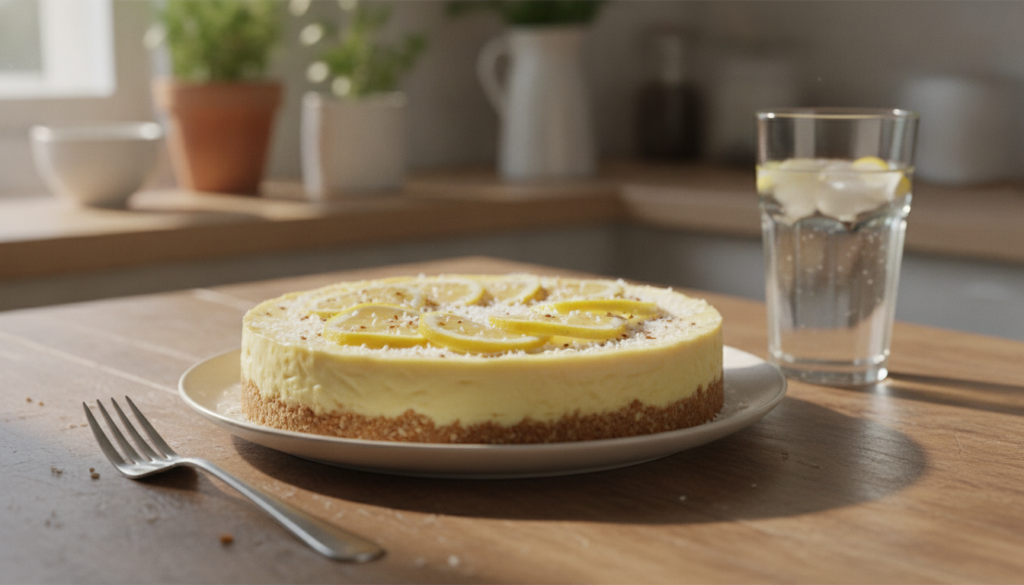
Don’t rush cooling your dessert by putting it in cold air right away. Quick changes in temperature can cause cracks. Instead, let your dairy free lemon cheesecake cool in the turned-off oven with the door ajar for about an hour.
This slow cooling helps the dessert set evenly. It prevents the edges and center from cooling too fast. This simple trick is key to successful gluten-free baking.
Setting the Cheesecake in the Refrigerator
Once the pan is at room temperature, move it to the fridge. Let it chill for at least four hours, or better yet, overnight. This time is important for the fats in your coconut cream and dairy-free ingredients to firm up.
Desserts like our Gluten Free Brownies and Gluten Free Chocolate Chip Cookies also freeze well and are perfect for preparing ahead of time.
When chilled, the flavors blend for a creamy texture. Skipping this step can make the filling too soft. Patience here ensures a beautiful, clean dessert.
Preventing Cracks During the Chilling Process
To keep the surface smooth, cover your dessert once it’s cooled. Use plastic wrap or a cake dome to prevent drying or fridge odors. Also, run a knife around the pan’s edge before chilling to release tension.
| Cooling Stage | Recommended Time | Key Benefit |
|---|---|---|
| Oven Rest | 60 Minutes | Prevents surface cracks |
| Counter Cooling | 30-45 Minutes | Stabilizes internal structure |
| Refrigerator Chill | 4+ Hours | Ensures perfect, firm texture |
By following these steps, you’ll get the perfect texture for your dairy free lemon cheesecake. Consistent cooling is key for anyone wanting to master easy gluten free recipes. With these methods, your dessert will look as good as it tastes.
Adding Finishing Touches and Garnishes
Transform your kitchen creation into a masterpiece with the right garnishes. These final steps make easy gluten free recipes stand out. Focus on texture and color to make your dessert look as good as it tastes.
Toasting Coconut Flakes for Added Crunch
Toasting coconut flakes adds a delightful textural contrast to your dessert. Spread unsweetened flakes on a baking sheet and toast in a low-heat oven for a few minutes. Watch them closely, as they can brown fast.
When they’re light golden, take them out of the oven right away to avoid burning. Sprinkling these flakes on your gluten free lemon cheesecake adds a nutty flavor that matches the coconut base.
Creating a Lemon Glaze or Curd Topping
A lemon glaze or curd topping makes your dessert shine. Whisk powdered sugar and fresh lemon juice for a simple glaze. Or, make a homemade lemon curd for a bold, opaque finish.
These toppings add flavor and a polished, professional appearance. Chill the cheesecake before adding glaze to prevent it from melting.
Artistic Presentation Tips for Serving
Arrange your plate visually. Use fresh berries for a stunning color contrast. Add a few sprigs of fresh mint for a vibrant pop of green.
Use a warm knife for clean, sharp slices of your gluten free lemon cheesecake. Styling your dessert ensures it impresses everyone at your table.
If you enjoy fruit-based desserts, our Gluten Free Crumble and Gluten Free Pineapple Upside Down Cake are excellent choices for special occasions.
Troubleshooting Common Gluten Free Baking Issues
Even the most skilled bakers face surprises when making a gluten free lemon cheesecake. Whether you’re new or experienced, small problems are part of the journey. With a few tweaks, you can save your dessert and make it taste great.
Fixing a Crumbly or Soggy Crust
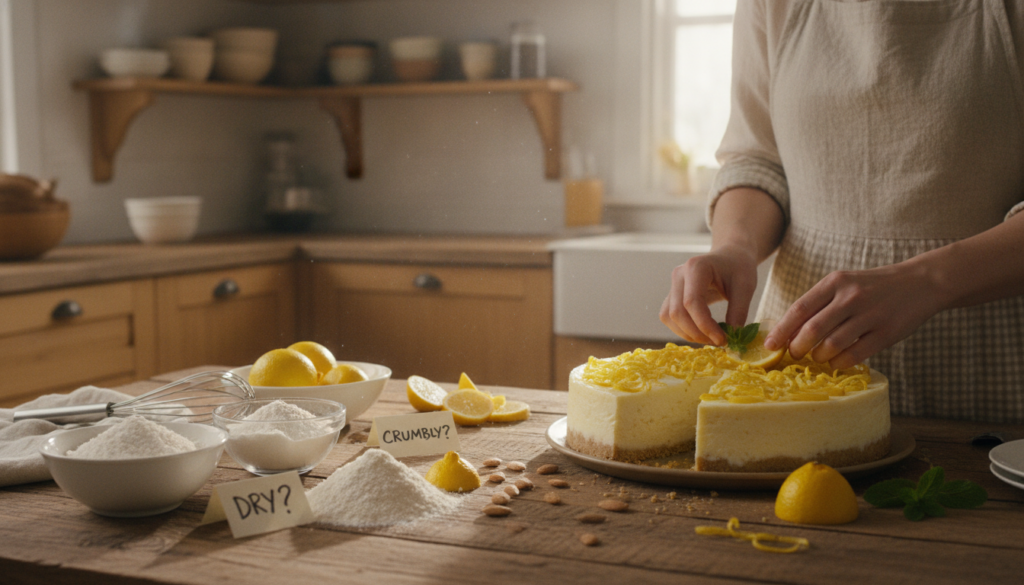
If your crust crumbles, it’s probably too dry. Adding a bit of melted dairy-free butter or coconut oil can help. Consistency is key when using gluten-free crumbs.
A soggy crust often means not enough pre-baking or too much moisture. Try baking it a bit longer to make it firm. Let the crust cool completely before adding the filling to avoid it getting soft again.
Adjusting Filling Texture if Too Soft or Firm
If your filling seems too runny, don’t worry. It will set as it bakes and cools. Just let the oven do its job on your coconut lemon cheesecake.
If it’s too soft, chill it longer in the fridge. This will help the fats solidify, making it easier to slice. Patience is key to getting the perfect texture.
Handling Ingredient Substitutions Successfully
Mastering ingredient swaps is essential for bakers. Different dairy-free cream cheeses can change your dessert’s density. Always check the texture of your ingredients before mixing.
If your batter is too thin, a little arrowroot powder or cornstarch can help. Keep track of which brands work best for you. This ensures your baking stays consistent and reliable.
| Issue | Potential Cause | Quick Fix |
|---|---|---|
| Crumbly Crust | Lack of binder | Add melted coconut oil |
| Runny Filling | High moisture content | Increase chilling time |
| Soggy Base | Under-baked | Extend pre-baking time |
| Grainy Texture | Poor mixing | Use a high-speed blender |
Conclusion
Making a perfect coconut lemon cheesecake is a great feeling. You now know how to mix bright citrus with creamy plant-based ingredients.
This dessert shows how food choices can make your cooking better. You can make a top-notch coconut lemon cheesecake for anyone, no matter their dietary needs.
Try new garnishes or crusts to keep baking fun. Add fresh berries or agave nectar to make your cheesecake special for any event.
Sharing your cheesecake brings people together at gatherings. Your hard work in mastering these skills means everyone gets to enjoy a delicious treat that shows your love for baking.
Continue your gluten-free baking journey with our Gluten Free Pie Crust Recipe, Gluten Free Brownies, Gluten Free Chocolate Chip Cookies, Gluten Free Baked Donuts, and Gluten Free Crumble.
FAQ
Can I use any brand of cream cheese for a dairy free lemon cheesecake?
For the best results, use Kite Hill or Miyoko’s Creamery. They offer the creaminess and stability you need for a great cheesecake.
How do I store my gluten free lemon and coconut cheesecake to keep it fresh?
Store it in an airtight container in the fridge. This keeps the texture and prevents odors from affecting the coconut cream.
For additional guidance on refrigerating and storing homemade desserts safely, follow the USDA’s safe food storage practices.
Why is my lemon gluten free cheesecake cracking on top?
Cracks happen due to quick temperature changes. Let your cheesecake cool slowly in the oven before moving it to the counter.
Is this coconut lemon cheesecake considered one of your healthy dessert recipes?
Yes, it’s healthier than traditional desserts. It uses natural sweeteners and Bob’s Red Mill Almond Flour for a nutritious treat.
Can I freeze a gluten free lemon cheesecake for later use?
Yes, you can freeze it. Make sure it’s set and chilled before wrapping it tightly in plastic wrap and foil.